 Blog
Blog
Vegetarian vs. Pure Sattvik Catering: What’s the Difference and…
Writen by content writer
Last updated on August 10, 2026
A website to see the full article with a 2-minute read time
Vegetarian vs Sattvik Food for Brahmin Events: What’s the Difference?
If you’re planning a Brahmin wedding, upanayanam, or pooja, you’ve probably come across the word “sattvik” while researching caterers. Many people assume it simply means vegetarian, but the two are not exactly the same. Understanding the difference can help ensure that the food served at your event matches your family’s traditions and expectations.
Quick Answer: Vegetarian food avoids meat, fish, and eggs, but it may still include onion, garlic, and processed ingredients. Sattvik food follows stricter traditional practices and generally excludes onion and garlic while emphasizing fresh, simple preparation. Not every vegetarian caterer provides sattvik food, so families should confirm the menu and preparation methods before booking a Brahmin event.
At Srinivasan Events, we’ve been catering Brahmin weddings and traditional ceremonies across Pune, Chennai, Bangalore, and Hyderabad since 2012. Understanding the difference between vegetarian and sattvik food is important when planning a traditional ceremony, especially when specific family customs need to be followed.
What Does “Sattvik” Actually Mean?
Sattvik is a concept rooted in Indian dietary and spiritual traditions. Sattvik food is generally considered pure, light, fresh, and suitable for religious and ceremonial occasions. It is not only about the ingredients used but also about the way the food is prepared and served.
For many families following traditional Brahmin customs, sattvik food is commonly preferred for weddings, poojas, upanayanams, seemanthams, and other religious functions. The focus is on maintaining traditional preparation methods while providing a wholesome and flavorful meal for guests.
Vegetarian vs. Sattvik: What’s the Real Difference?
What Does Vegetarian Food Include?
Vegetarian food excludes meat, fish, and eggs. However, a standard vegetarian menu may still include ingredients such as onion, garlic, packaged sauces, and other commercially processed ingredients.
This means that a restaurant or caterer advertising itself as “pure vegetarian” does not necessarily mean that its food follows sattvik preparation practices.
What Makes Food Sattvik?
Sattvik food generally follows a stricter traditional approach. It commonly excludes onion and garlic, uses fresh ingredients, and gives importance to traditional cooking and serving practices.
Depending on the family’s customs, certain ingredients, fermented foods, strongly flavored items, and heavily processed ingredients may also be avoided. Because practices can vary between families and traditions, it is always best to discuss specific requirements with the caterer before the event.
Vegetarian vs. Sattvik at a Glance
| Aspect | Vegetarian | Sattvik |
|---|---|---|
| Meat, fish, eggs | Excluded | Excluded |
| Onion & garlic | Usually allowed | Generally excluded |
| Processed ingredients | May be used | Usually minimized or avoided |
| Preparation style | Standard cooking practices | Traditional preparation practices |
| Religious ceremonies | Not always suitable | Commonly preferred |
Why Sattvik Food Matters for Brahmin Events
At Brahmin weddings, upanayanams, seemanthams, and poojas, food can be an important part of the overall tradition. For many families, following specific food practices is just as important as selecting the right venue, decorations, and rituals.
Elders and guests may have specific expectations about ingredients and preparation. Serving food that does not match those expectations can create an uncomfortable situation during an otherwise carefully planned ceremony.
For this reason, families should communicate their food requirements clearly with the caterer before finalizing the menu.
Is Every “Pure Veg” Caterer Automatically Sattvik?
No, and this is where most confusion happens. Many caterers labeled “pure vegetarian” may still use onion, garlic, packaged ingredients, and standard commercial preparation methods.
“Pure vegetarian” generally refers to the absence of meat, fish, and eggs. It does not necessarily describe whether onion, garlic, or particular preparation methods are used.
If sattvik food matters for your event, don’t assume a “pure veg” label covers it. Ask the caterer directly about ingredients, cooking methods, and their experience with traditional Brahmin events.
How Srinivasan Events Prepares Sattvik Food
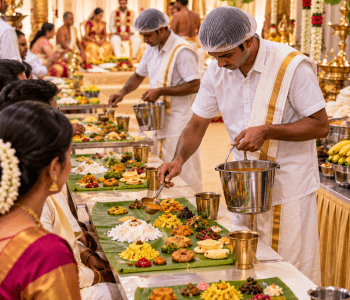
At Srinivasan Events, our traditional Brahmin catering focuses on authentic South Indian flavours and ceremonial food practices. Depending on the family’s requirements, menus can be planned around sattvik preparation, including dishes made without onion and garlic.
Fresh ingredients, traditional recipes, careful preparation, and experienced catering staff help create a meal that complements the occasion. Families can also discuss specific dietary and traditional requirements while planning their menu.
You can explore our full food menu to understand the range of dishes available for traditional events.
You can also learn more about our catering and event planning services.
People Also Ask
Is sattvik food the same as pure vegetarian food?
No. Sattvik is generally a stricter standard. It excludes meat, fish, and eggs while also commonly avoiding onion and garlic and following specific traditional preparation practices.
Why do Brahmin weddings prefer sattvik food?
For many Brahmin families, sattvik food is connected to traditional practices and ritual purity. It is commonly preferred during weddings, poojas, upanayanams, and other religious ceremonies.
Can sattvik food be tasty and varied?
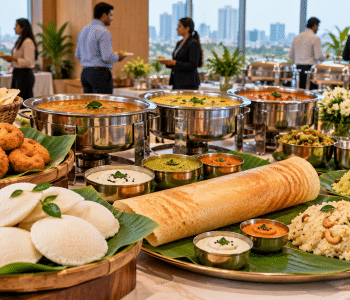
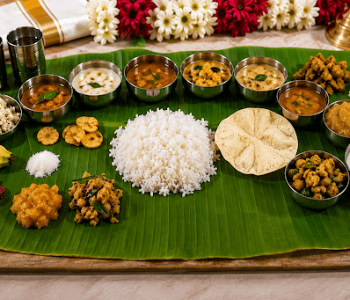
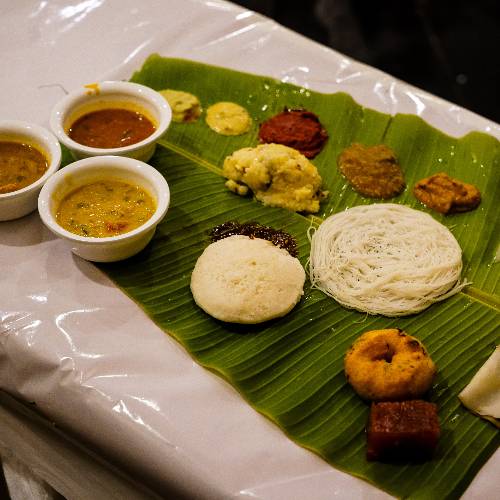
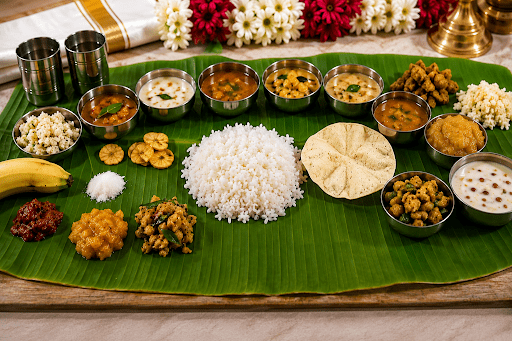
Yes. A well-prepared sattvik menu can include a wide variety of traditional South Indian dishes such as sambar, rasam, kootu, poriyal, rice varieties, sweets, payasam, and other flavorful dishes prepared without onion or garlic.
How do I confirm if a caterer truly serves sattvik food?
Ask directly whether onion or garlic is used in any dish, how the food is prepared, whether ingredients are freshly prepared, and whether the caterer has experience with Brahmin weddings or religious ceremonies.
Questions to Ask Before Booking a Sattvik Caterer
- Do you use onion or garlic in any of your dishes?
- Is the food prepared fresh on-site or cooked in advance?
- Do you have experience catering Brahmin weddings or poojas?
- Can the menu be customized according to our family’s traditions?
- Can you accommodate specific ingredients or preparation requirements?
If you’re also comparing options, our guide on choosing the right Brahmin caterer in Pune covers what else to check before booking.
Conclusion
Vegetarian and sattvik aren’t the same thing, even though they’re often used interchangeably. Vegetarian food primarily excludes meat, fish, and eggs, while sattvik food follows a stricter, tradition-rooted approach that commonly excludes onion and garlic and emphasizes fresh preparation.
For Brahmin weddings, poojas, upanayanams, and other traditional ceremonies, understanding this distinction can help families choose the right catering service and avoid unexpected menu issues.
Srinivasan Events has been preparing traditional Brahmin and sattvik food for weddings and ceremonies across Pune, Chennai, Bangalore, and Hyderabad since 2012. If you’re planning a traditional event, contact Srinivasan Events to discuss your catering requirements and create a customized traditional menu.